
Practical, Regenerative Organic training to grow resilient, profitable farms
Why Earthworkers?
At Earthworkers we believe that food production should regenerate the soil it relies on. Every grower, farmer, and advocate who learns with us becomes part of a growing community working to strengthen the land, build resilience, and ensure productive, profitable farms for the long term. Our educational pathway — from Hort 101 foundations, to Hort 201 advanced training, and on to the Future Agronomists programme — is designed to meet growers where they are and give them the tools, mentoring, and confidence to take their practice further. We are different because we stand by a set of core values that shape everything we do:
Understanding soil biology and ecosystem relationships as the foundation of sustainable farming practices.
Regenerative Organic
Understanding soil biology and ecosystem relationships as the foundation of sustainable farming practices.
Understanding soil biology and ecosystem relationships as the foundation of sustainable farming practices.
Science-backed methods and proven techniques that deliver measurable results in real farming conditions.
Evidence-Based Learning
Science-backed methods and proven techniques that deliver measurable results in real farming conditions.
Science-backed methods and proven techniques that deliver measurable results in real farming conditions.
Hands-on training that you can immediately implement on your farm with confidence and success.
Practical Application
Hands-on training that you can immediately implement on your farm with confidence and success.
Hands-on training that you can immediately implement on your farm with confidence and success.
Ongoing support from experienced practitioners and a community of like-minded growers.
Mentorship
Ongoing support from experienced practitioners and a community of like-minded growers.
Ongoing support from experienced practitioners and a community of like-minded growers.
Building farming systems that are both environmentally sustainable and economically viable.
Resilience & Profitability
Building farming systems that are both environmentally sustainable and economically viable.
Building farming systems that are both environmentally sustainable and economically viable.
Developing the next generation of regenerative agriculture leaders and educators.
Growing Growers
Developing the next generation of regenerative agriculture leaders and educators.
Developing the next generation of regenerative agriculture leaders and educators.
Our Courses
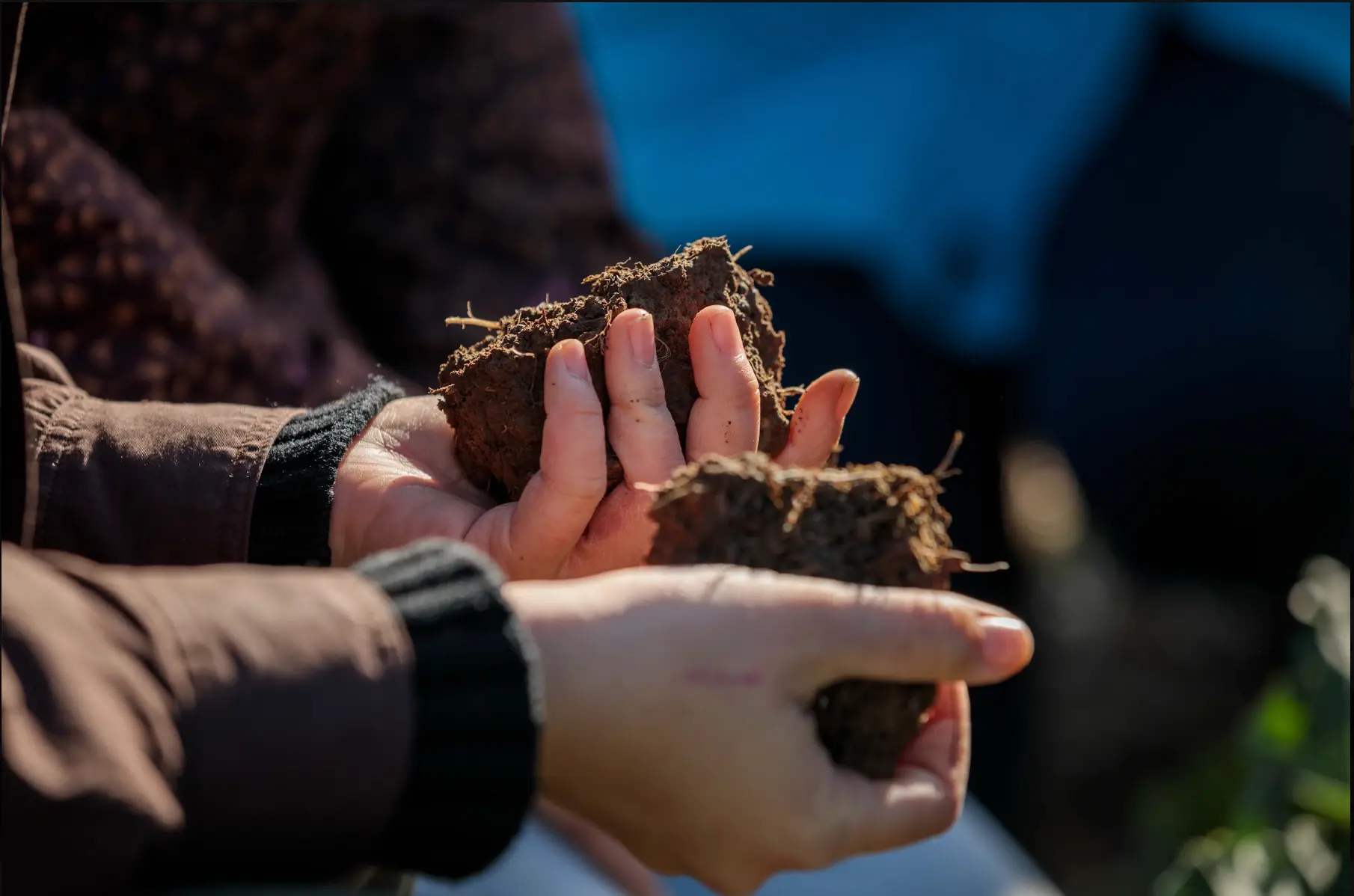
Hort 101 A: Beginners
OPEN TO EVERYONE: Hort 101 A - is a two-day, hands-on introduction to regenerative organic growing, designed for people who want to improve the health and productivity of their gardens and growing systems through practical skills they can put to use immediately. Our foundation programme is open to all levels of experience. Choose the two-day practical course (Hort 101 A), the three-day technical course (Hort 101 B), or complete both. Whether you're growing food at home, supporting a māra kai or community garden, or managing a small to mid-scale growing operation, this course provides practical tools to build healthy soils, strengthen plant resilience and reduce reliance on external inputs. The emphasis is on learning by doing, with accessible explanations of the living systems that support productive growing. Hort 101 A is a complete standalone course, making regenerative organic education accessible to those who may not need, or have the time and resources for, the full five-day Hort 101 programme.
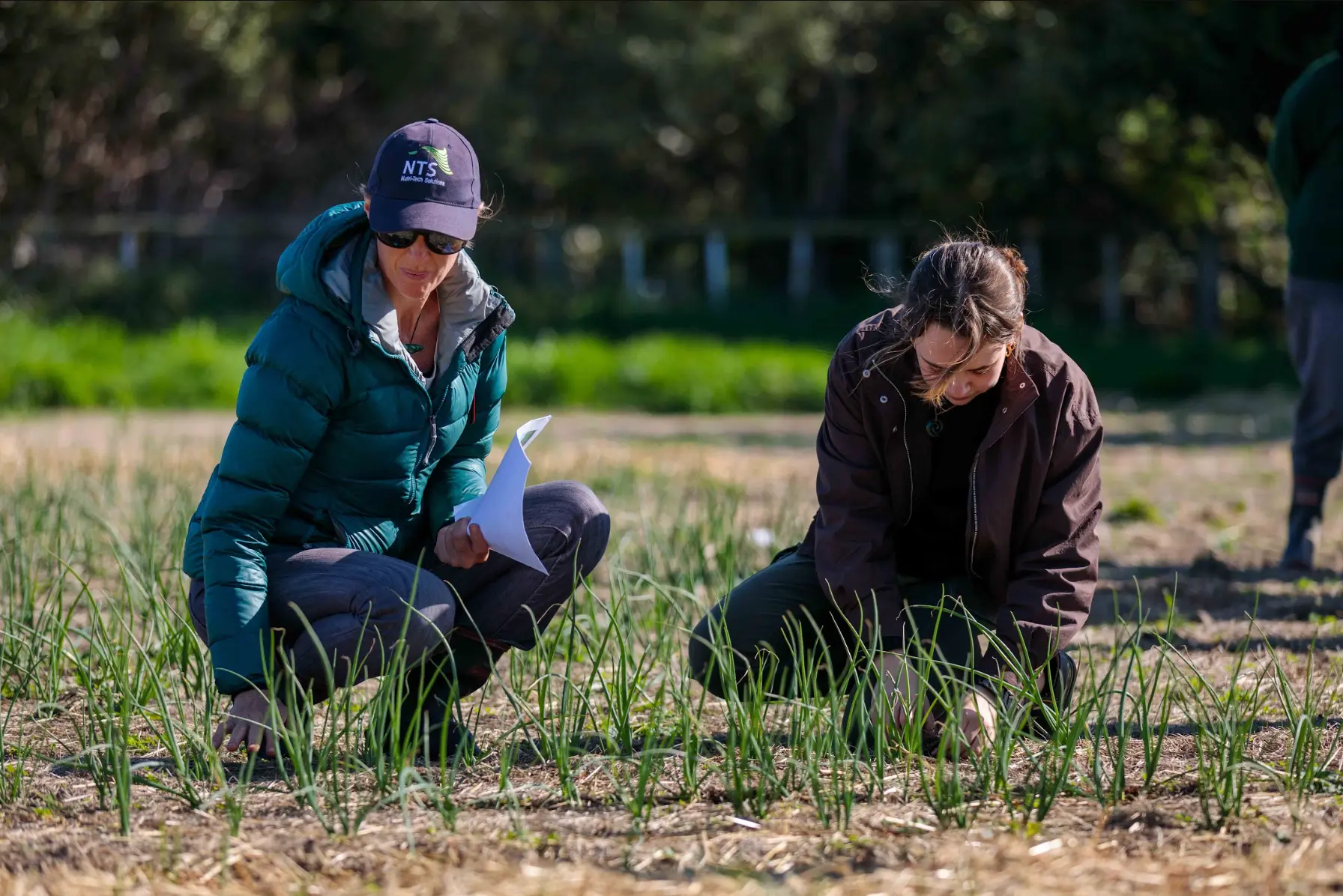
Hort 101 B: Foundations
OPEN TO EVERYONE: Hort 101 B is a three-day technical foundation course for growers wanting to deepen their understanding of regenerative organic horticulture and apply that knowledge to their growing systems. Delivered over three weekdays as professional extension learning, the course is particularly relevant to small to mid-scale and commercial growers, market gardeners, orchardists and growing managers seeking to strengthen their technical knowledge and decision-making skills.
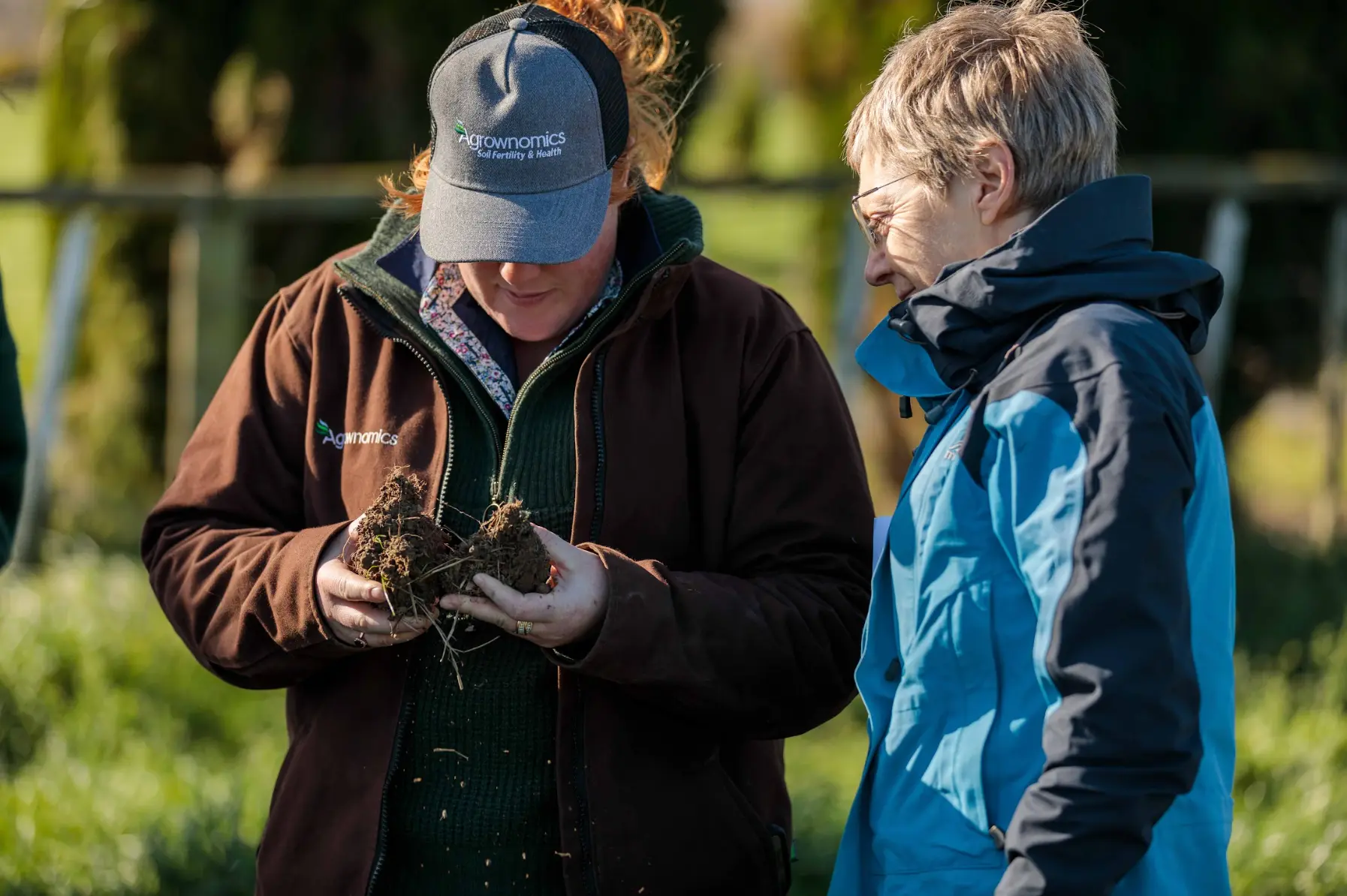
Hort 201: Advanced
ENTRY IS BY APPLICATION: Hort 201 is a 5-day advanced intensive with long-term mentoring to support farmers as they navigate the challenges of regenerative organic growing. Designed to empower growers and farmers to act as their own consultants. Participants will learn to analyse soil and leaf data, enabling them to make informed decisions tailored to their own properties.For Hort 101 B graduates and experienced growers, this intensive program dives deep into advanced soil management, integrated pest management, and farm systems. Hort 201 is the pathway to the Future Agronomists program.
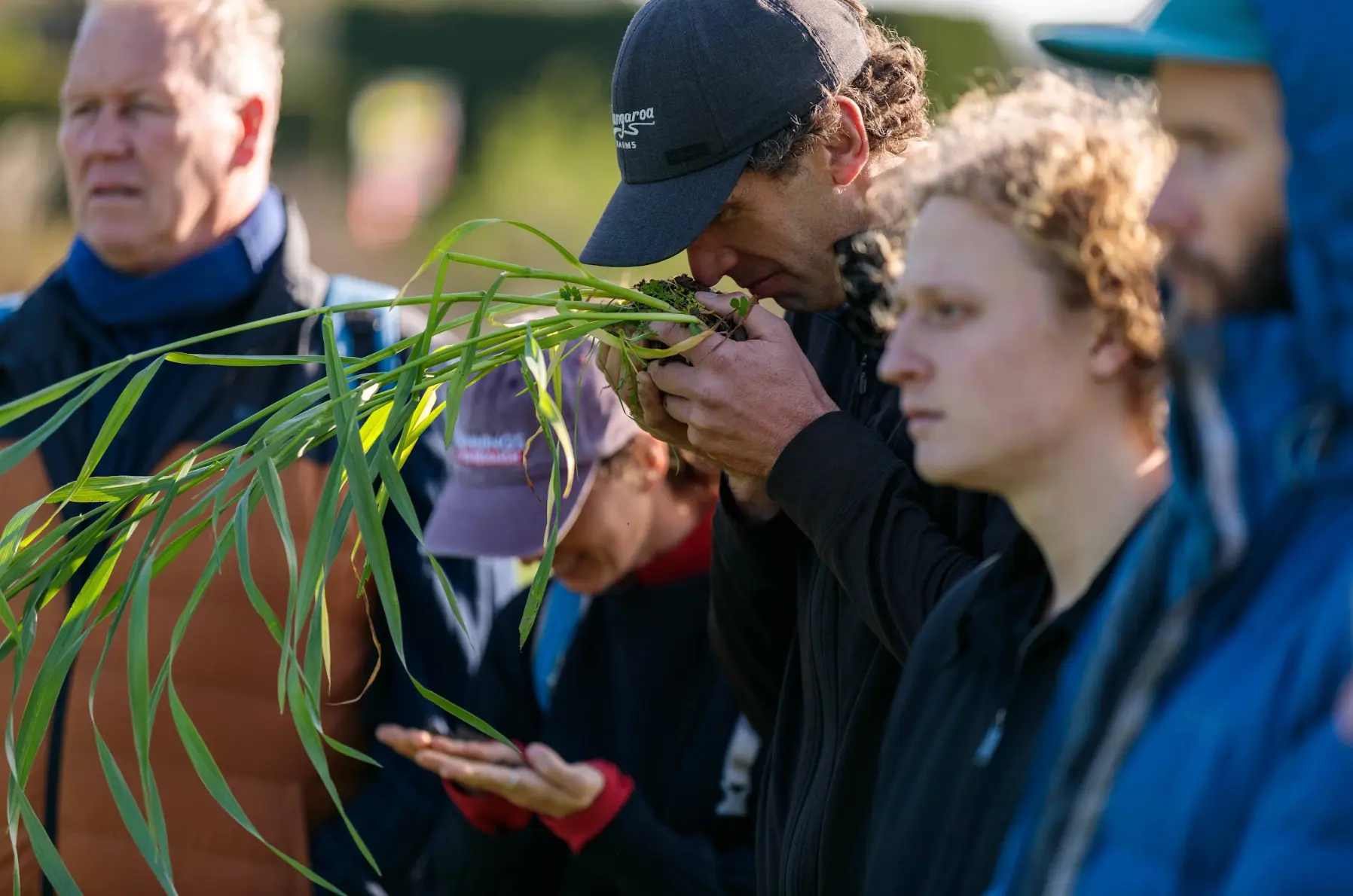
Future Agronomists: Professional
BY INVITATION ONLY: The Future Agronomists programme is a intensive 2 day induction, followed by a year of learning through real-world cases, individual mentoring and peer-to-peer technical support, with ongoing support continuing beyond this first year as they progress over the years. This pathway is for experienced alumni who want to step into leadership as regenerative agronomists and mentors.
Proven Results from the Field
Our graduates are transforming agriculture worldwide with measurable impact.
Earlier this year, Mangaroa Farms was one of the hosts for the Earth Workers course, and it couldn’t have come at a better time. As a organic regenerative farm and organic market garden, we’re constantly trying to understand our land more deeply — not just how to grow food, but how to grow soil, resilience, and community. The Earth Workers course helped us reconnect with those foundations.
What stood out was how grounded and practical the teaching was. It strengthened the ecological lens we bring to our systems while also giving us tools we could apply immediately. Hosting the group created a sense of shared purpose and reminded us that this mahi is part of something much bigger than our own farm.
We’re really excited to continue the journey with the 201 course. For us, the next step is deepening our understanding of the science — the microbial networks, the chemistry of minerals, and the ‘ground-slate’ principles that sit behind organic regenerative practice. Getting clearer on those fundamentals will help us make better decisions, build healthier soil, and support the land in a more informed, intentional way.
That’s why we’re keen to do 201, and why we’re glad to host again. We believe strongly in this kaupapa and in the direction Earth Workers is heading, and we’re proud to support the next phase of the organisation.
Cam Dixon
Market Gardens Operations Manager
As many others will say, Earthworkers 101 is a transformational experience. It is a flurry of inspiring and empowering knowledge, tools and a framework for how we interact with the ecology around us. I have been wanting to go deeper for some time, so I am excited about a potential EW 201 and a pathway toward becoming a Regenerative Agronomist in the Future Agronomists program.
Tom Scott
Urban Farmer, Organic Market Garden (OMG)
On day one I knew I'd already got value from Hort 201. By the end of the week I felt like I had a new lease on life, and the changes we've been able to implement are already contributing to our bottom line. I am looking forward to beginning Future Agronomist.
Isobel King
Lead Technician Superb Herb
Earthworkers is a game changer. I was at the beginning of my growing journey and overwhelmed by all the info out there. The Hort 101 was an epic deep dive into soil health, regenerative food production and biodiversity driven growing systems. Science to back it all up and lived experience on farm. I not only walked away equipped and inspired, but with an incredible community I can connect with at anytime in our WhatsApp chat. I’m now working in a market garden at a school and so grateful to have this knowledge and community for support, It’s the best!!
Siobhán Hemingway
Farmer -Green Schools Taranaki
The Earthworkers programme was an invaluable course I took at a moment in my career I needed the most. I had just started as Farm Manager at an organic market garden and wanted to make informed decisions to develop a true harmony between the land , ecosystem and production. This course also open the doors to a grassroots community with evolving support as the group becomes bigger. It didn’t feel like I was all alone trying to go against the conventional agricultural current anymore.
Coral Remiro
Earth Steward Farm
On day one, I knew I'd already got value from this course. By the end of the week, I felt like I had a new lease on life, and the changes we've been able to implement are already contributing to our bottom line.
Isobel King
Lead technician - Superb Herb
Community Articles
Read more from our community.

Loving soil, but also learning soil...
At Earthworkers we believe that food production should regenerate the soil it relies on.

The Nitrogen Trap — And the Path Back to Soil Function - Earthworkers Education
Healthy soils can already cycle significant nitrogen - in some cases enough to meet crop demand without bringing anything onto the farm. Earthworkers education supports growers to reduce input dependence, including nitrogen, rebuild soil biology, and strengthen resilience through practical regenerative systems.

Phosphorus — a supply problem or a systems efficiency problem?
Many soils already hold significant phosphorus reserves — in some cases enough to support crops for years when soil biology and structure are functioning well. This article is the second contribution from Earthworkers alumnus Tom Scott. It builds on his earlier article, The Nitrogen Trap and the Path Back to Soil Function, and turns attention to phosphorus — a mineral fundamental to plant energy, soil biology, and long-term fertility management. Earthworkers educator Daniel Schuurman, founder of Biologix NZ, has contributed technical guidance to ensure clarity and accuracy in the interpretation of soil and plant processes discussed here. Additional concepts referenced draw from widely recognised practitioners such as Graeme Sait (Nutri-Tech Solutions, Australia) and Dr David C. Johnson (soil microbiologist, New Mexico State University), whose research has contributed significantly to regenerative soil science. Through this growing series, Earthworkers alumni share the areas of soil and plant nutrition that most interest them in practice. In doing so, we expand the culture of knowledge sharing that sits at the heart of the Earthworkers ethos.
Sign up for our newsletter!
Be the first to learn about new Earthworkers course offering!