The Nitrogen Trap — And the Path Back to Soil Function - Earthworkers Education
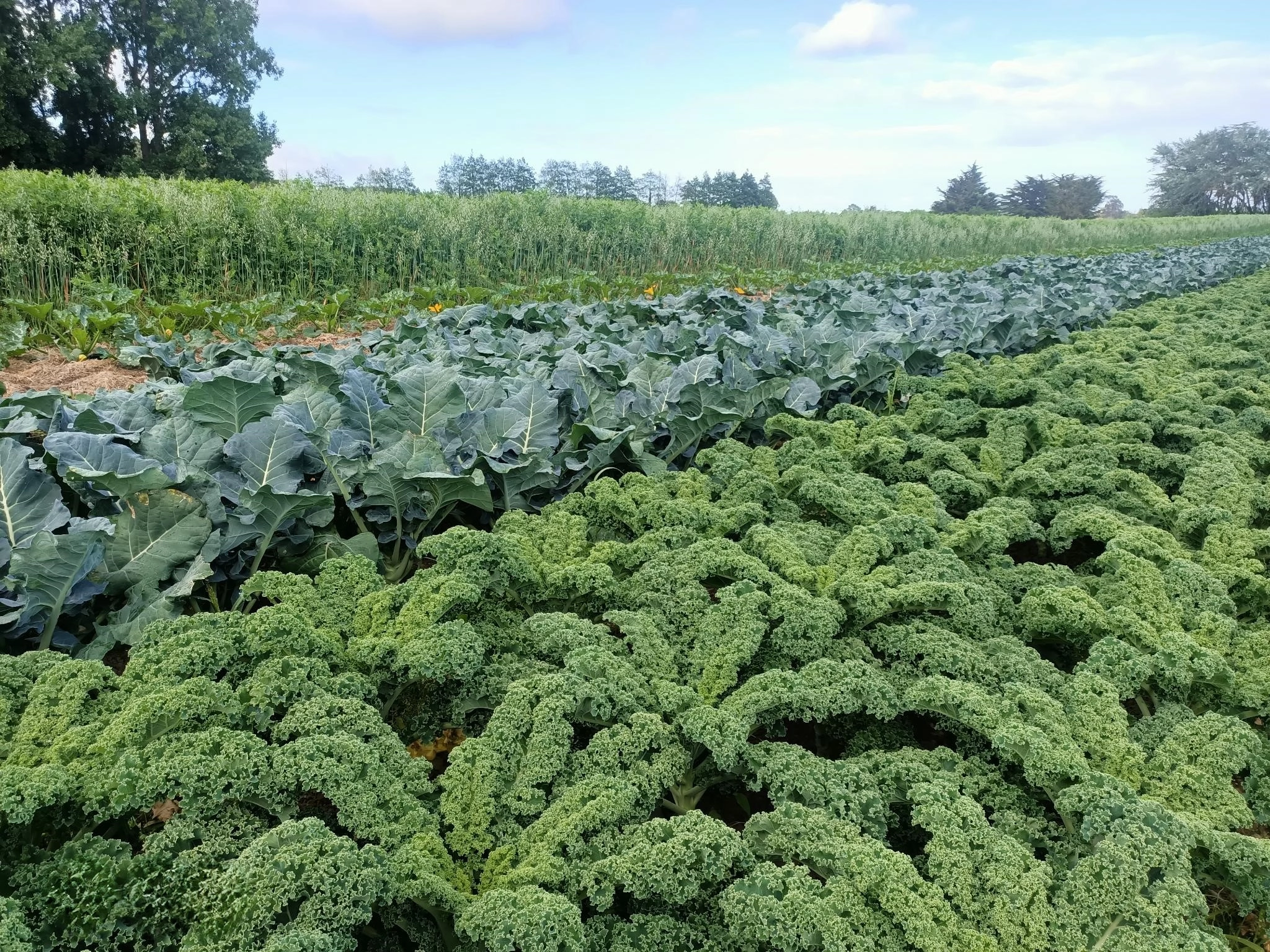
Nitrogen fertilizer is energy in disguise.
For over 100 years, since Carl Bosch first industrialized the Haber-Bosch method in 1913 we have been pulling atmospheric nitrogen down into the more stable form Ammonia. This quickly became the dominant source of synthetic nitrogen for fertilizers and has persisted ever since. However, this comes at a cost. The Haber-Bosch process is highly energy intensive, utilizing huge amounts of natural gas (methane) to strip the molecule of its hydrogen atoms, to combine with the nitrogen atoms in our atmosphere to produce ammonia (NH4). In modest amounts, we might not notice this energy expenditure but at current scale this accounts for 2% of global energy, and 3% of global greenhouse gas emissions. We are now consuming over 100 million tons of synthetic nitrogen fertilizer per year globally. The year from 2023-2024 saw a jump from 109 million tons to 118. This is up 800% since the 1960s.
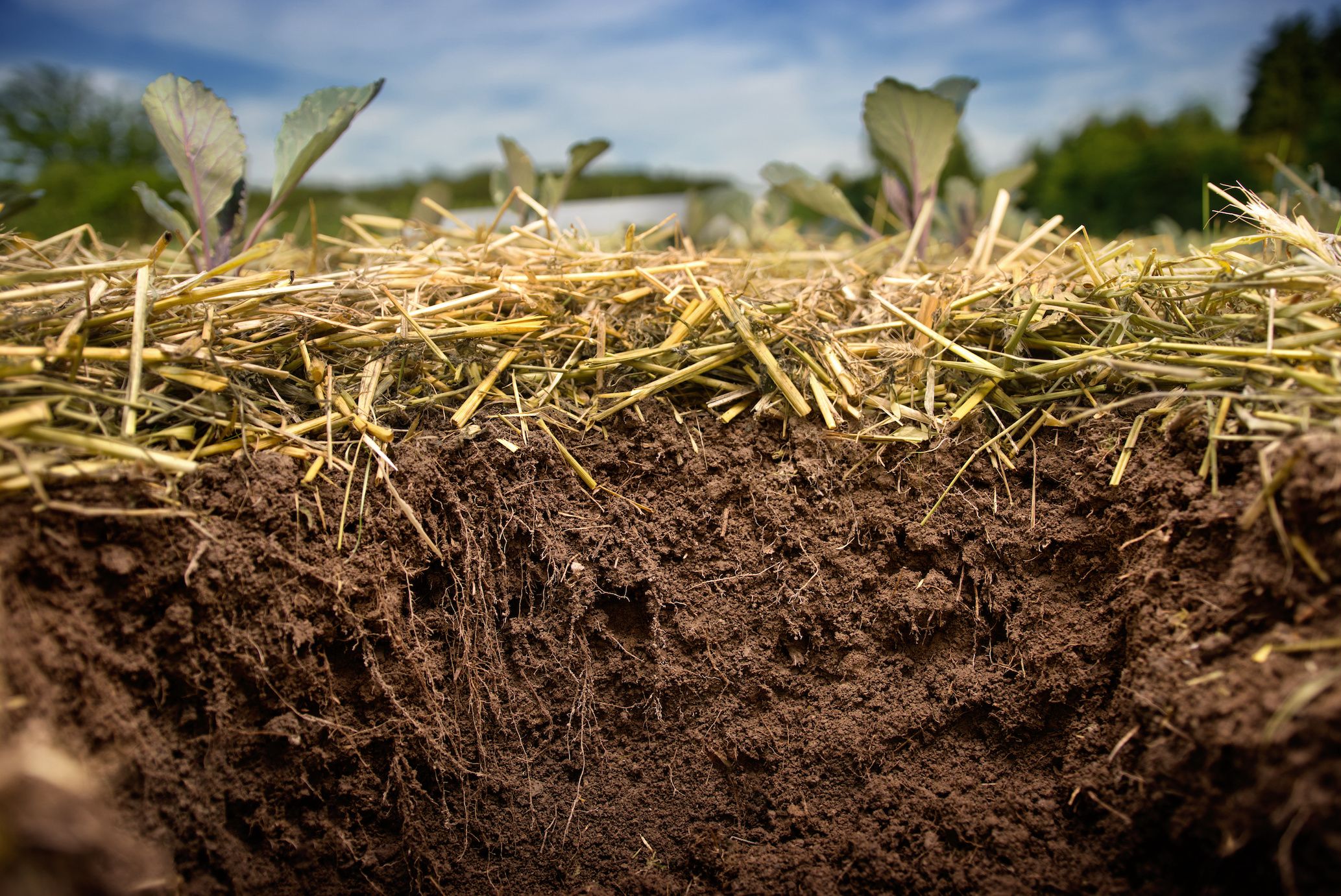
The shock: Nitrogen is no longer stable.
As a result of the fossil fuel intensity of the Haber-Bosch process, it makes the price of nitrogen fertilizer highly correlated with the price of oil. In times of global oil, energy and supply chain stress like these, this leaves farmers exposed to the price volatility and lack of availability of fertilizer, in an economic equation where margins are often already very thin. China is restricting fertilizer exports to protect domestic supply, Europe’s production is constrained by high gas prices, and various other fertilizer supply chains are fragmented due war-induced uncertainty and oil-price hikes. This lays bare the pressing need for fertility sovereignty and freedom for farmers from reliance on unstable global supply chains determining their yield. Global fertilizer supply is becoming political, not just economic. Regenerative agronomist Daniel Schuurman of Biologix Ltd has been shouting this from the hilltops for decades, and emphatically pointing towards the plethora of biological solutions for supporting nature to produce its own fertility rather than buying it in a bag. In this moment of global attention to fertilizer, we have gathered some wisdom from him to share with you all.
Now, it's no mystery that plants need nitrogen to grow. A large percent of their biomass is nitrogen and it is essential to create both proteins and chlorophyll, two of the most important elements of plant biology. However, an 800% increase in N use has not grown 800% more crops, or larger plants, or even healthier ones. In fact in many systems, a significant proportion — often more than half — of applied nitrogen can be lost via volatilization (off-gassing nitrogen back to the atmosphere) or by leaching which ends up in our groundwater, aquifers, rivers and streams. Agronomists are taught at University to calculate the N demand of a crop, then double that as the recommended application to account for these huge losses. Nitrogen ends up in our waterways causing what's known as an ‘algal bloom’, a rapid proliferation of algae which deplete the dissolved oxygen of the body of water, suffocating all the other aquatic life in the area. What's left is called a ‘dead zone’ and there are countless dead zones around the world. The second largest dead zone is in the gulf of Mexico fed by the agricultural runoff from 31 U.S states via the Mississippi River, which happens every year and can stretch over 20,000 square kilometers. Closer to home in NZ over two thirds of our waterways are contaminated and severely ecologically degraded. 76% of our indigenous freshwater fish species are threatened with or at risk of extinction. Globally we now have some of the most degraded agricultural land in known history and it is absolutely imperative that we step off this synthetic fertilizer treadmill as soon as possible. Which brings us to… the GOOD NEWS!
Healthy soils can provide all the nitrogen a farm requires
Nature figured out long ago how to pull nitrogen out of our atmosphere. Microbes are doing it constantly. As Daniel points out, “healthy soils can already cycle significant nitrogen. In soils approaching 10% organic matter, around 230 kg of nitrogen per hectare can already be moving through the system each year.” This is based on the calculation that every 1% soil organic matter (decomposed plant material, microbial biomass, humus) weighs roughly 20,000 kg. Roughly 5% of that organic matter is nitrogen, about a 1000kg reservoir. Only 2-3% of that 1000 kg is mineralized and made plant available per year, which works out to about 20-30kg per hectare per 1% OM. So at 5% OM there is 115kg being mineralized annually, and at 10% (Daniel says this is an ideal level of OM) we have 230kg of nitrogen being organically cycled each year without bringing anything on farm. For reference, typical dairy requirements are around 160kg N/ha. Meaning that a biologically healthy soil sitting around 10% organic matter can exceed crop demands without synthetic inputs.
In conventionally managed agricultural systems, for instance dairy farms in NZ, nitrogen fertilizer is spread over the soil to stimulate the growth of grasses to be grazed by the cattle herd. Over time this not only throws out the chemical balance in the soil, but most importantly suppresses nitrogen fixing microbes. Over time, as our natural source of nitrogen is removed from the system, farms become addicted to increasing amounts of synthetic nitrogen to fill the gap, much of which is lost before a plant can even access it. This is a gross waste of energy and a farmer’s finances. Hence ‘the nitrogen trap’ or ‘treadmill’ as it is often called.
The good news is that this process is reversible, and many growers have already shown it is possible, and profitable. Many growers are already on this journey, and many researchers and alumni of Earthworkers and other courses and programmes around the world are far down this road of biological resilience. Sitting above every hectare of paddock is 74,000 tons of nitrogen. Regenerative agronomist Graeme Sait calls this the ‘free gift’, and many microbes are skilled at accessing it. Many of these microbes live in the ‘rhizosphere’, a thick layer of soil ecology surrounding the roots of plants. Some even live right on the leaves of plants, fixing N directly into the growing leaves. It is truly a miraculous partnership.
Plants, as they cannot fix this atmospheric N themselves, rely on their microbial partners to do it for them. They hold up their end of the arrangement by donating carbon in the form of root exudates which stimulates the whole engine of nutrient-producing ecology below ground. The plants are essentially farming microbes. This concept is covered in much more depth in the Earthworkers course, and is an integral aspect of regenerative systems. Even the mycorrhizal fungi networks, also known as the ‘wood wide web’ form relationships with N-fixing microbes. Research indicates that mycorrhizal fungi, particularly arbuscular mycorrhizal fungi (AMF), form complex, tripartite relationships with nitrogen (N)-fixing microbes to acquire nitrogen and deliver it to plants, often in the form of amino acids. This conversion from inorganic nitrogen (nitrate, ammonia) to organic nitrogen (amino acids) relieves the plant of the very energy intensive process of doing this conversion themselves. This is not the dominant route of N uptake by plants but it illuminates the nitrogen cycle as an extremely well established biological story, and one that we can help to facilitate its return.

High analysis synthetic fertilizer cannot truly substitute for a biodiverse soil system.
Getting off the nitrogen (and synthetic fertilizer in general) treadmill requires a weaning-off process. This was made apparent on the global stage in 2021 when Sri Lanka banned imports of synthetic fertilizer without a fully developed agricultural plan or a weaning-off process, crashing agricultural production and causing massive social unrest. Soils that are so badly depleted of biological activity and are hooked on soluble chemical fertilizer as a result, cannot go cold turkey or the yield will collapse. Like any addict, there needs to be a transition process and a support system. The key here is to rebuild the microbial ecology and soil food web, while still delivering some nutrition to the plant until the system can support itself. Depending on the state of the soil, this can take several years. Crashing yields and putting growers out of business is the opposite of what the Earthworkers course aims to achieve.
A standard system is to reduce N fertilizer incrementally. For instance 20% less in the first year, then 30% less in the second, then 50% in the third and so on. A few modern biologically-focused practices here can boost this process. Using humic acid, an extract from ancient soil deposits, we can stabilize nitrogen fertilizer into a chemical form that is easily usable by plants and can significantly reduce volatilisation and leaching losses. It also plays a role in plant uptake of minerals and can magnify a plant's response to nutrient applications. Including humic acid at 5% of the fertilizer mix can reduce N use by 30%, taking huge pressure off the biological systems getting hounded by floods of nitrogen. Humates have a raft of other benefits, from feeding soil microbes to providing nutrient stabilization in soils with low organic matter.
Cover cropping is also a key strategy here. Diverse plant consortium → diverse root systems and exudates → diverse microbe populations → change in soil biochemistry and function greater than the sum of its parts. It's like turning on a dormant biological engine. Inoculating cover crop seed with mycorrhizal fungi and various beneficial microbes like Rhizobacter or Azotobacter can be a very effective strategy to introduce a beneficial microbial ecology to the soil. This builds a nutrient reservoir for the next crop and establishes a more biodiverse ecology than growing just one species of plant and hoping there are still some key microbial species hanging around.
One thing Daniel has recommended for a long time and covers in depth in the Earthworkers course is Foliar Feeding. It has been well proven that plants can absorb nutrients through their leaves and stems, and research has shown it can be up to 12x more efficient than delivering nutrition through their roots in the right conditions. This ties in with the nitrogen story well, and is a key practice to ensure adequate nutrient delivery to plants while the soil system is recovering its biological function. Efficiency in this case also translates to economic savings. Daniel framed it this way when explaining it in the context of a first year weaning-off process. Lets say an 80 hectare farm is using between $20,000 and $30,000 of urea per year. Daniel has used an estimate here as a thought experiment. 24 tons of urea 141 kg of N /ha per year from 3 x 100 kg Urea / ha ground spread.
By bypassing the soil and delivering this as efficient foliar nutrition to the leaf, we are able to reduce this urea application down to 6.4 tons. Using only 27% (37.6 kg N/ha/ya) of the soil based application rate also means spending just 27% of the urea cost, which is very enticing, especially in times of price volatility like today. This foliar approach has many other benefits as well, as it can not only reduce the cost but it can also increase the growth. The machinery required for effective foliar spraying can be vastly lighter and smaller than what’s required to spread tons of solid Urea. You can add in biological inputs like Nitrogen fixing bacteria, than will lift and prolong growth improvements longerand other nutrients can be added like Magnesium, Sulphur and Trace minerals.
Obviously this is a rough estimate, and every farm is different. While biologically mediated nitrogen can meet a significant portion of crop demand, particularly in well-structured, carbon-rich soils, there are contexts — such as cold soils or high-output systems — where supplementary nitrogen may still be required, particularly during peak growth periods. For instance rapid spring pasture growth could be supplemented with a foliar spray of urea stabilized with humic acid. This leaves the soil microbes undisturbed, provides luxury N levels to a young plant at peak vegetative phase, and has an added biostimulant effect from the humic acid. Targeted approaches like this can make a lot of sense. There are also potential labor costs involved with more frequent foliar applications over the year but the scale of savings on inputs alone, while also giving the soil a chance to breathe (literally) and recover N-fixing microbe populations makes this an effective strategy. Its context-dependent but the effect is often dramatic. Foliar feeding is best understood as a transitional tool — improving nutrient use efficiency and reducing losses while soil biological function is being rebuilt.
As the biodiversity of the soil food web rebounds, another aspect of the nitrogen cycle switches on. This is a function of the trophic cascade, popularized by the late Dr Elaine Ingham known as the ‘poop loop’. This is a process where microbe predators like protozoa and nematodes consume bacteria and fungi, consuming their carbon as a nutrient and excreting surplus nitrogen in plant-available forms in the rhizosphere around the root. Plants can manipulate the amount of exudate they release into the root zone, and thus the quantity and type of bacteria and fungi they are farming. In this way they can affect the poop loop in diverse ways to stimulate the availability of various nutrients they require. It is an incredibly sophisticated system we are constantly learning more about. Reducing human interference with natural systems of nutrient cycling can allow soils to heal and crops to be fed naturally. After all, nature has had billions of years to practice this dance before humanity’s 100 year experiment with synthetic nitrogen.
The exit pathway
As it is likely apparent to any grower, none of this happens in a vacuum. The nitrogen cycle is intimately connected to countless other systems within the soil. If cations like Calcium, Magnesium and Potassium are not properly balanced then plants cannot grow properly, soil struggles to breathe and the aerobic N-fixing bacteria can't do their job properly. If the soil is compacted then a whole other raft of issues can hinder this process. If there is excessive phosphorus then mycorrhizal fungi can shut down and stop providing plants with essential water and nutrients. If mycorrhizal fungi are gone then we can lose the essential crumb structure of the soil within which a healthy soil food web exists. If trace minerals are missing like Molybdenum then the nitrogenase enzyme that converts atmospheric nitrogen into ammonia can’t function. If cobalt is missing then the rhizobia-legume symbiosis cannot function properly. Microbial inoculants are very effective, particularly where key functional groups are absent, but their success depends heavily on soil conditions and carbon availability. In one example Daniel shared from his consulting work in Northland, soil analysis revealed that the primary issue limiting pasture performance was not nitrogen at all, but imbalanced base saturations, particularly low calcium levels in a peat soil.
All of these interplaying factors are covered in the Earthworkers programme. It is a holistic approach to agricultural systems that will thrive here, not a silver bullet. Increasing biodiversity above ground and below, correcting mineral ratios and deficiencies based on accurate soil testing, introducing beneficial microbes through compost and on-site brewing, transitioning from soil based fertilizer applications to foliar. These are all part of the toolkit needed to bring a soil back to healthy biological function without sacrificing the yield we need to keep the lights on. This requires education, and a mindset that views the farm as an agroecological system as opposed to an input - output equation. Increasing resilience and fertility self-sufficiency not only reduces outgoing costs and exposure to global volatility, it translates to a massive energy shift. Microbial fixation of nitrogen is solar powered as opposed to fossil fuelled. It reduces demand and buy-in to the fossil fertilizer economy, which benefits everyone. Decentralization of farm fertility shifts power away from geopolitical factors and towards localized agroecological stewards.
The fertiliser crisis is not a temporary disruption — it is a signal. A signal that the future of agriculture will not be built on imported fertility, but on the capacity of living systems to generate it.

Tom Scott is an Earthworkers alumni grower and educator who spent three years developing OMG Organic Market Garden at the For the Love of Bees demonstration and teaching farm on Symonds Street. Guided by a philosophy of perpetual learning and syntropic growing, he co-teaches on Earthworkers Regenerative Horticulture 101 and is continuing his journey through the Future Agronomists programme.
His work reflects the Earthworkers philosophy that knowledge grows through practice, observation, and shared learning.