Phosphorus — a supply problem or a systems efficiency problem?

Phosphorus — a supply problem or a systems efficiency problem?.
Phosphorus is one of the foundational minerals of life, sometimes called ‘the energy mineral’. It plays a central role in energy transfer, genetic material, cell membranes and plant metabolism. In agriculture, adequate phosphorus is essential for early root development, flowering, seed formation and overall plant vigor. This is all to say, it is a critical element to all living things, and having it available to plants in the right amounts throughout the season is of utmost importance in the yield equation.
Because of decades of fertilizer application, many agricultural soils now contain large reserves of accumulated phosphorus that remain poorly accessible to plants. This raises an important question:
Is phosphorus primarily a supply problem — or increasingly a systems efficiency problem?
Understanding how phosphorus behaves in soil, how biology accesses it, and how healthy soils retain and cycle it may become one of the defining agricultural challenges of the coming decades.
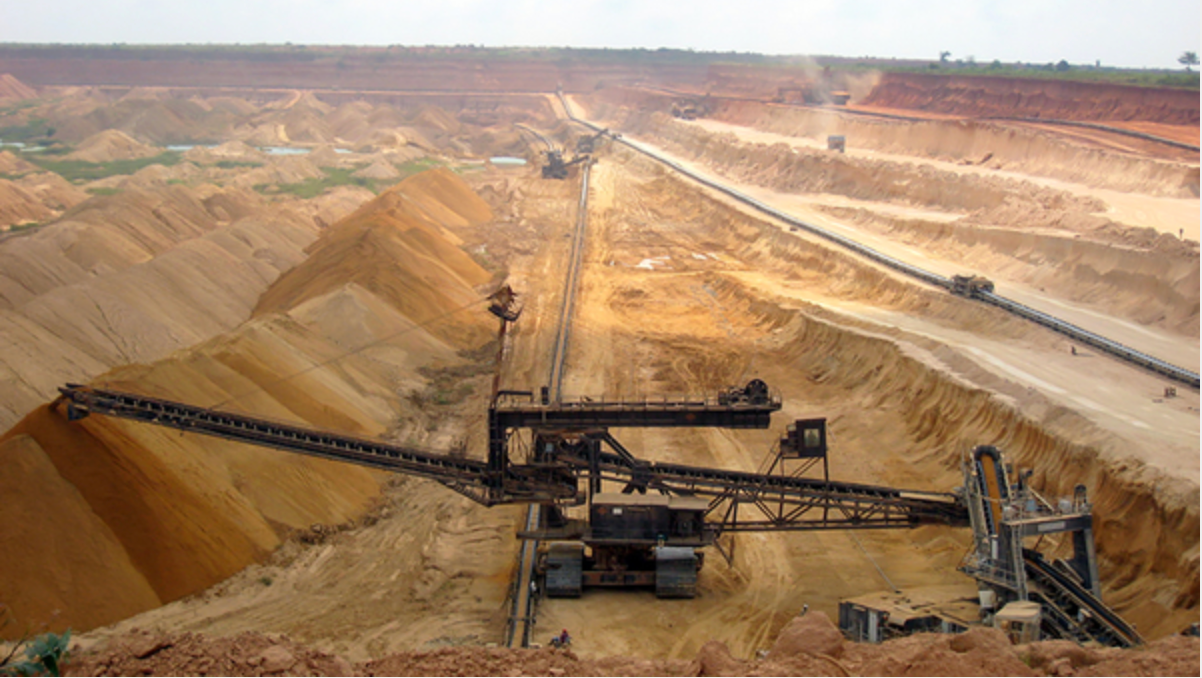
What is the global context for Phosphorus fertilizer?
This mineral, unlike Nitrogen, cannot be freely pulled out of the atmosphere, it must be mined. Mostly in the form of phosphate rock, a sedimentary deposit formed from the accumulated bones and excrement of ancient marine organisms. 70-75% of known reserves are in Morocco. China is also a major producer, and a key export controller. The U.S and Russia have been key players too, although their role in global supply is declining. This paints a highly concentrated picture; modern agriculture is dependent on a finite, geographically concentrated mineral resource - and we are mismanaging it at every stage of the cycle.
Phosphorus occupies a role in food production somewhat analogous to oil in energy systems: foundational, finite, geographically concentrated and deeply tied to global supply chains. Mining, processing and transport are all energy intensive, making phosphorus fertilizer vulnerable to fuel prices, geopolitical instability and shipping disruptions. For remote agricultural exporters like Aotearoa, improving phosphorus-use efficiency is therefore not just an agronomic challenge, but a strategic one.
How does Phosphorus behave in soil?
Once phosphorus is applied to soil, first-season uptake by plants may be as low as 10–15%. Rather than being permanently lost, much of the applied phosphorus transitions into less available soil pools. The key challenge is not the absolute absence of phosphorus, but the rate at which biological and chemical processes can cycle it back into plant-available forms during periods of peak demand. Much of it becomes part of soil reserve pools and can be recovered over multiple growing seasons. In many soils, cumulative recovery of applied phosphorus can reach 50–80% over time, depending on soil conditions, biology, and management.
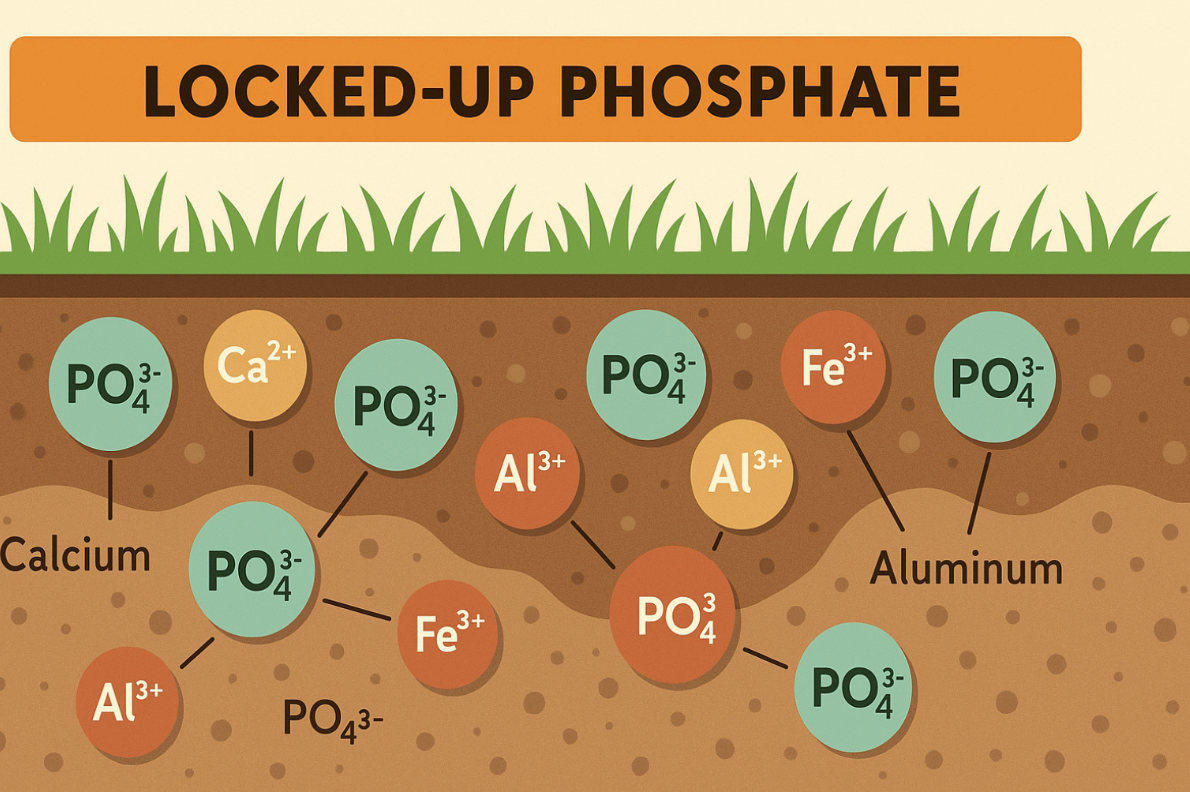
What isn't used by the plant in its initial soluble form gets bound/fixed to other minerals or ‘locked up’. Phosphorus has a strong negative charge and readily forms strong bonds with positive minerals. In acidic soils this is usually with Aluminium or Iron, and in alkaline soils usually with Calcium. Some of this will become available later but not in adequate amounts when we need it most during the growing season. This mineral fixation is a core component to understand, as it is the dominant method by which Phosphorus reserves are stored in soil.
But, it's not the only way. Phosphorus can also be in organic form, contained in residues, microbial biomass, manures, humified material, phytates etc.
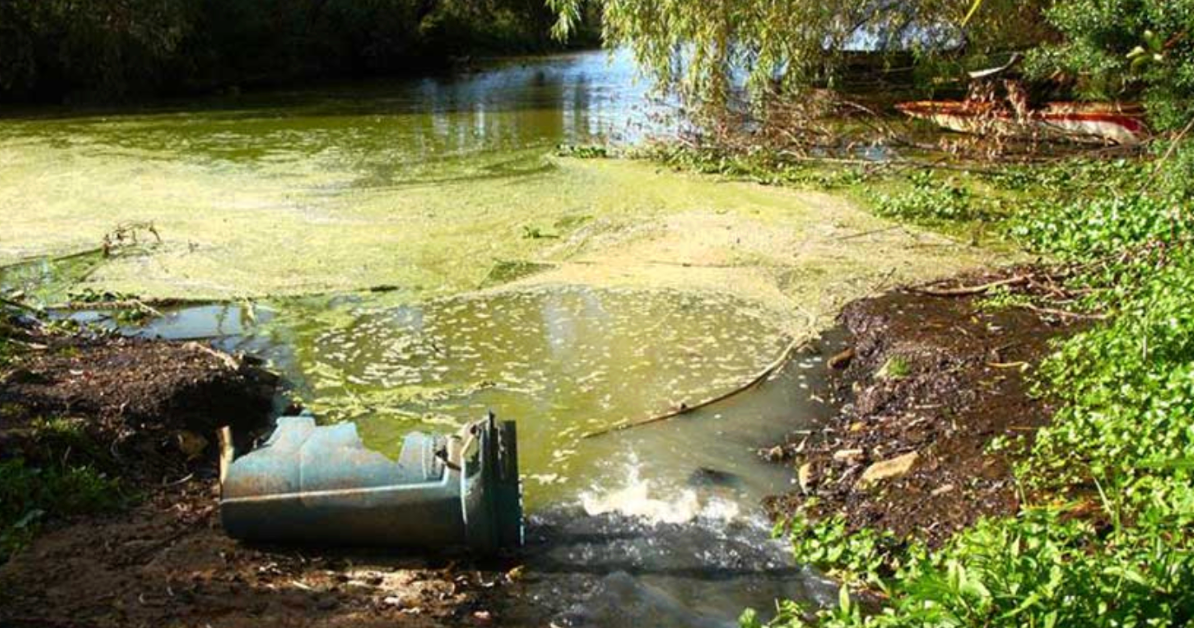
Much can also erode out of soils during heavy rainfall events or soils on slope as well. This runoff into our waterways and oceans leads to eutrophication, algal blooms and dead zones which are total ecological catastrophes. Many people are familiar with these concepts so a detailed explanation will not be included here but this growing issue both globally and within Aotearoa needs attention from all of us if we want our waterways to be safe for both humans and native species. Anything we can do to reduce the overuse of high analysis synthetic fertilizers, and increase our efficiencies when applying will have downstream effects to both our costs and profitability, and our ecological outcomes.
Biological access pathways: The key
Looking at this from a regenerative lens, one might ask; how does nature usually manage Phosphorus?
Well, biology cannot ‘solve phosphorus’. It is a finite mineral. They cannot bring in phosphorus that is not already present. Instead, their skills lie in the chemistry required to break the strong bond between Phosphorus and other minerals. Accessibility and efficiency are the key factors here.
The plant has two biological pathways to access Phosphorus from the soil. Arbuscular mycorrhizal fungi (AMF) are one of the primary biological pathways for plants to access this mineral. They form intimate relationships with the plant root and provide massively increased surface area for plant roots to explore the soil for nutrients and water. AMF contribute to phosphorus mobilization both directly and indirectly through interactions with rhizosphere microorganisms, organic acid production and phosphatase activity. Unlike nitrate, phosphorus is relatively immobile in soil, making the extended reach of mycorrhizal fungal hyphae enormously important, effectively extending the plant’s root system far beyond what roots alone could explore.
The phosphatase enzyme is especially important for organic Phosphorus mineralization, and organic acids for mineral-bound P. It is then soluble, plant-available and delivered via the fungal hyphae straight into the root of the plant in exchange for some of the plant’s carbon from photosynthesis. This partnership is fundamental to plant health, and 90% or more of plant species form these mutualistic relationships.
Arbuscular mycorrhizal fungi also produce sticky glycoproteins collectively referred to as glomalin-related soil proteins. These compounds help stabilize soil aggregates, improving pore structure, infiltration and erosion resistance. This is critically important for phosphorus management because much phosphorus loss occurs attached to eroded soil particles rather than simply dissolved in water. Healthy fungal soils are therefore not only better at accessing phosphorus, but also better at retaining it within the landscape.
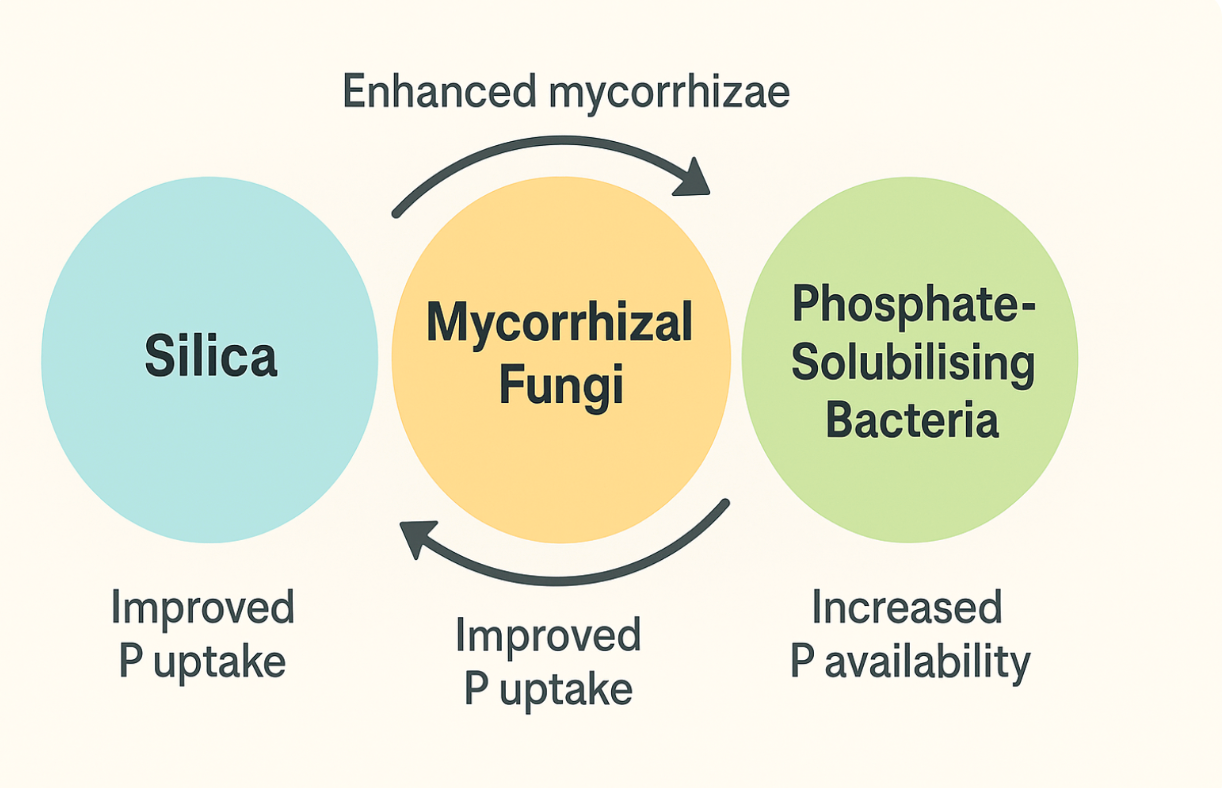
The second pathway for plants to biologically access this mineral is via phosphorous solubilizing bacteria (PSB). These bacteria live in the rhizosphere around the plant roots. They often also inhabit the hyphosphere (the area around the fungal hyphae analogous to the rhizosphere around the plant root) which is a nutrient-rich microhabitat that attracts and supports PSB. Much of the Phosphorus that the plant receives biologically is flowing through this partnership.
PSB solubilises Phosphorus → AMF rapidly capture and transport it before it re-fixes to Iron, Aluminium or Calcium → plant receives Phosphorus in exchange for carbon.
This synergistic relationship between the Phosphorus-solubilizing chemistry of the bacteria and the fungi, and the nutrient uptake and delivery relationship with the plant make this a powerful force. Ignoring this fundamental process keeps us on the fertilizer treadmill, reduces our fertility independence, increases input costs and ultimately grows less resilient plants. As we so often see, our soil biome is a potent nutrition management system and if we study how it has evolved to function without human intervention, we can learn a lot about how to assist and enhance these processes rather than try to replace them.
The Paradox
Now, a key issue here is that when soluble phosphorus fertilizer is applied to the soil, it is very ‘hot’ and reactive. This is often applied in the form of MAP (monoammonium phosphate) but can come in many forms, even compost made with food waste can be very high in soluble P. Forms like soft rock phosphate contrastingly can become available over several years and can be an effective and biology-friendly means of correcting Phosphorus deficiencies. The important factors here are the concentration and the rate of release.
When highly soluble phosphorus is abundant, plants generally reduce investment into mycorrhizal partnerships and rhizosphere nutrient-mining strategies because the energetic return on maintaining those relationships declines.
Later in the season when much of the Phosphorus has bound to other minerals like Calcium or Iron and becomes unavailable to the plant, it is left high and dry without functioning mycorrhizae and PSB to supply it with adequate phosphorus. Excessive soluble phosphorus can also create secondary nutrient imbalances, particularly with zinc and copper.
This leads to what renowned Australian soil microbiologist Dr Christine Jones termed the ‘Phosphorus Paradox’, where more and more soluble Phosphorus is needed to be drip fed to the plant throughout the season, as it cannot source enough on its own. More fertilizer is not always more nutrition.
However, the reduction in yield by not supplying adequate Phosphorus to the plant is very real, and this bottom line is crucial for most growers. This is just one of many loops/traps that growers can get stuck in over time, which contribute to this idea of soils being ‘addicted’ to synthetic fertilizer. There needs to be a weaning off process, and a reintroduction and reestablishment of biology in the soil.
Increasing photosynthesis to improve Phosphorus Efficiency
So how do we boost these biological access pathways to free up the often very significant stores of mineral-bound phosphorus in a soil? We need to increase photosynthesis. More photosynthesis → more carbon fed to the soil microbiology as root exudates → more mycorrhizal fungi and PSB bringing fertilizer into solution.
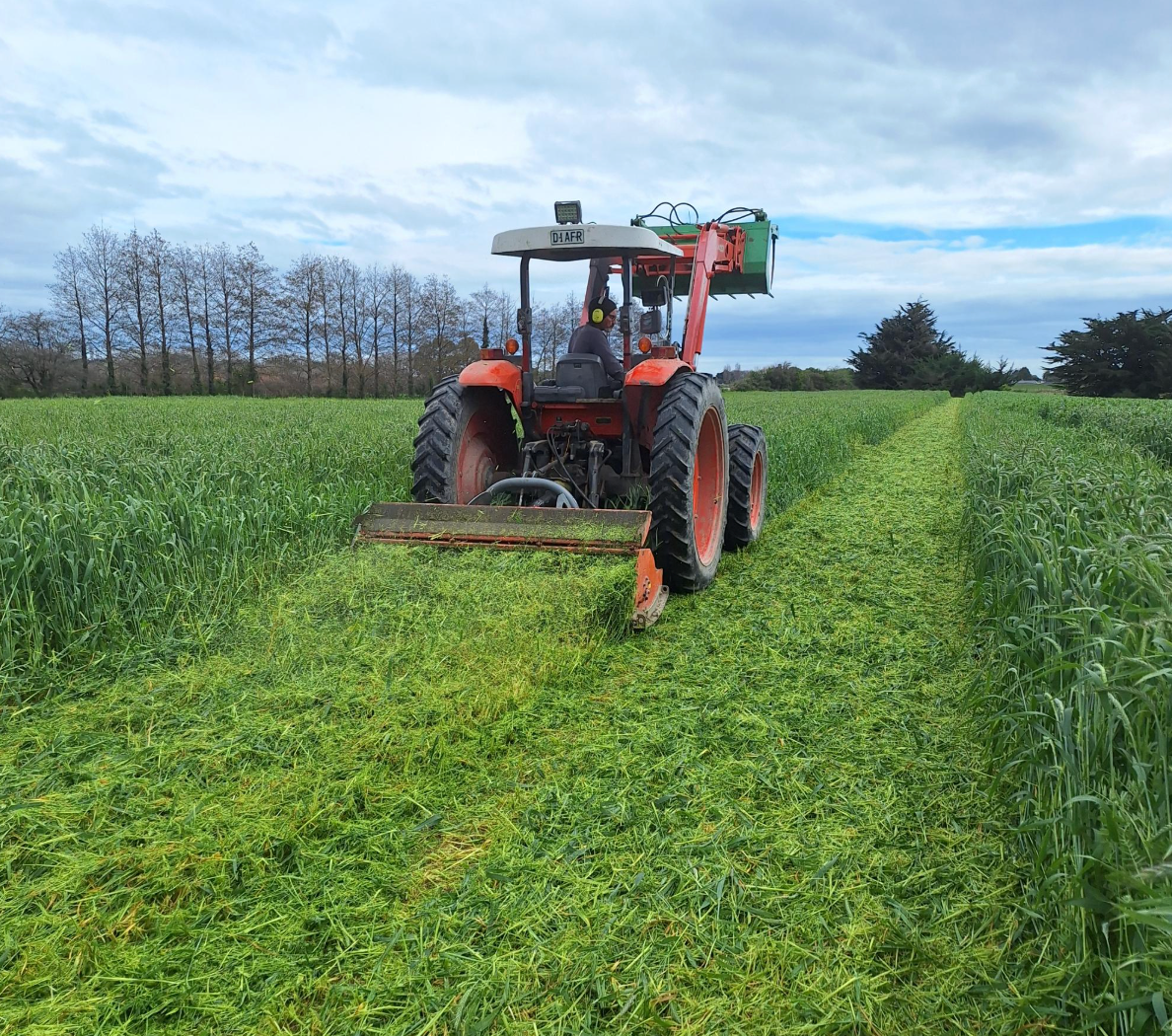
There are a range of ways to do this, but the most obvious way is to keep the soil covered at all times. This is a core tenet of regenerative systems and something Daniel Schuurman of Biologix Ltd, has stressed when teaching every Earthworkers course. Sometimes this may mean growing a cover crop instead of a cash crop, but the cash crop to follow will be much better off and often have a pool of biology and soluble nutrition to grow into.
Foliar feeding nutrients, microbes and plant growth promotants is another highly effective way of boosting both the photosynthetic capacity of plants that are already growing, and their immunity and resilience to both biotic and abiotic stress. Many Plant Growth Promoting Rhizobacteria (PGPR) that live in the root zone of the plant also produce hormones and other compounds to stimulate and regulate the growth of plants.
There are many other things we could add to this list like reducing compaction, increasing plant diversity, reducing tillage, carbon inputs like humates etc. A big needle mover is utilizing mycorrhizal and compost extract inoculation to increase diversity of the Soil Food Web, a concept developed by the late Dr Elaine Ingham, a foundational microbiologist and soil biology researcher. All of these either directly or indirectly assist in the ability of a soil to solubilize phosphorus and manage it efficiently.
Soil carbon and humic substances
Another key part of phosphorus efficiency is soil organic matter and soil structure. Increasing organic matter hugely improves water retention, aggregation, microbial habitat and erosion resistance. This is critically important because phosphorus is often lost attached to eroded soil particles rather than simply dissolved in water.
As organic matter decomposes and stabilizes, it forms humus: a complex mixture of biologically transformed carbon compounds that acts as both a microbial habitat and an organo-mineral interface. Humus helps buffer nutrient interactions, support microbial activity and stabilize soil structure, improving the soil’s ability to retain and cycle nutrients over time.
Arbuscular mycorrhizal fungi also contribute to this process through production of glomalin-related soil proteins, which help bind soil aggregates together. Healthy fungal soils therefore improve not only phosphorus access, but phosphorus retention within the landscape.
Some growers also use humic substances derived from oxidized carbon-rich deposits such as lignite. Humic and fulvic substances appear to function less like conventional fertilizers and more like biological facilitators. Research suggests they can improve micronutrient chelation, root architecture, microbial activity and membrane transport processes, while also buffering nutrient interactions in the rhizosphere.
Microbial balance and soil function
Research from David C Johnson, director of the Institute for Sustainable Agricultural Research at NMSU has shown a strong relationship between soil fungal-to-bacterial (F:B) ratio, and plant productivity. As the ratio of fungi to bacteria increases in a soil, plants allocate significantly more carbon to roots, shoots, and fruit while reducing soil respiration, compared to ‘typical agricultural, bacterial-dominant soils’. Now this data is from a set of greenhouse trials and won't translate exactly to every soil, but it highlights that a balanced, high fungal soil food web reduces the energy cost to the plant for nutrient acquisition, allowing more carbon to go toward biomass production rather than the soil for microbial consumption.
This is an important piece of research in the context of declining rates of mycorrhizal fungi due to excessive Phosphorus fertilization. These fungal populations are building humus, reducing runoff, increasing nutrient cycling efficiency and overall these systems require fewer inputs. A beautiful aspect of all of this is that biological systems release nutrients in response to plant demand. It's not an expensive springtime dump of soluble fertilizer. It is a dynamic, responsive and communicatory system where nutrients are mined, stored, solubilized and delivered in situ and when the plant needs it.
In short, like with most mineral nutrients, when we focus on building a healthy soil biome and structure we don't need to dump huge amounts of Phosphorus mined from the Saharan Desert just to keep yield consistent. In fact, many agricultural soils now contain decades’ worth of accumulated legacy phosphorus. The challenge increasingly becomes mobilization, retention and biological access rather than continual replacement alone. This is the difference between a true deficiency in a soil or a functional deficiency.
Testing: looking inside our soils
Here we get into a key aspect of precision agriculture in both regenerative and conventional growing systems: testing. This is something well covered in the Earthworkers course, and is a very useful tool for agronomists and home gardeners alike.
Testing plays a central role in effective phosphorus management.
Soil testing provides insight into nutrient levels, mineral balance, and soil function. By measuring both total phosphorus and available phosphorus, growers can distinguish between nutrient presence and accessibility.
Soil pH testing allows prediction of how phosphorus will behave once applied, helping to guide appropriate management decisions.
Sap analysis (testing the nutrient content of a leaf) provides additional information by showing which nutrients are actively moving within the plant. Together, soil and plant testing create a clearer picture of nutrient function and support more precise fertility management.
Reliable data allows growers to reduce unnecessary inputs, improve crop performance, and strengthen long-term soil health. Data like this is a valuable addition to a grower’s toolbox. Knowing with precision how to approach fertility can reduce a lot of headache later in the season, and ultimately save money and protect yield.
Final reflection
Conventional fertility systems are often optimized around throughput: importing soluble nutrients, driving rapid growth, and replacing losses with further inputs. Biological systems operate more cyclically, emphasizing nutrient retention, recovery, exchange and reuse within the soil ecosystem. Regenerative phosphorus management attempts to shift agriculture from a high-loss throughput model toward a more efficient cycling model.
Many soils contain significant phosphorus reserves, yet limited biological function or poor soil structure can restrict their availability. Managing phosphorus effectively therefore becomes less about total supply and more about system function.
Healthy soils with strong biological activity and good structure retain nutrients more efficiently, reduce losses, and support resilient plant growth.
Rather than asking:
How much phosphorus should be applied?
we begin asking:
How efficiently is the phosphorus already present being used?
Viewed through this systems lens, phosphorus becomes not only a resource question, but a stewardship question. Improving biological activity, strengthening soil structure, and supporting nutrient cycling can unlock existing reserves and reduce dependence on external inputs.
In this way, phosphorus management becomes both a productivity strategy and an environmental responsibility — a reflection of how well we understand and support the living systems that sustain plant growth.
The future of phosphorus management may depend less on discovering new mineral reserves and more on improving biological access, retention and cycling efficiency within existing soils. In many cases, the issue is not absolute scarcity, but dysfunction in the soil processes that evolved to manage this mineral long before industrial fertilizer existed.
see further reading about the role of phosphorus runoff in nz environment https://ourlandandwater.nz/topic/phosphorus/

Tom Scott is an Earthworkers alumni grower and educator who spent three years developing OMG Organic Market Garden at the For the Love of Bees demonstration and teaching farm on Symonds Street. Guided by a philosophy of perpetual learning and syntropic growing, he co-teaches on Earthworkers Regenerative Horticulture 101 and is continuing his journey through the Future Agronomists programme.
His work reflects the Earthworkers philosophy that knowledge grows through practice, observation, and shared learning.
His work reflects the Earthworkers philosophy that knowledge grows through practice, observation, and shared learning.