Hort 201 - Palmerston North/Te Papa-i-Oea
5-day advanced intensive with long-term mentoring to support farmers as they navigate the challenges of biology-first regenerative growing. Designed to empower growers and farmers to act as their own consultants. Participants will learn to analyse soil and leaf data, enabling them to make informed decisions tailored to their own properties.
- Start Date & Time
- 31 August 2026 at 8:30 am
- End Date & Time
- 4 September 2026 at 5:00 pm
- Registration Deadline
- 3 August 2026 at 5:00 pm
- Location
- Conference Room, Massey University, Sport and Event Centre (previously the Rugby Institute). The physical address is 56 Albany Drive, Turitea, Palmerston North.
- Capacity
- 20
- Price
- NZ$1,500
- Course(s)
- Hort 201
- Status
- Active
Event Details
Location
This 5 day intensive will be run in the Conference Room, Massey University, Sport and Event Centre (previously the Rugby Institute). The physical address is 56 Albany Drive, Turitea, Palmerston North.
Field Site
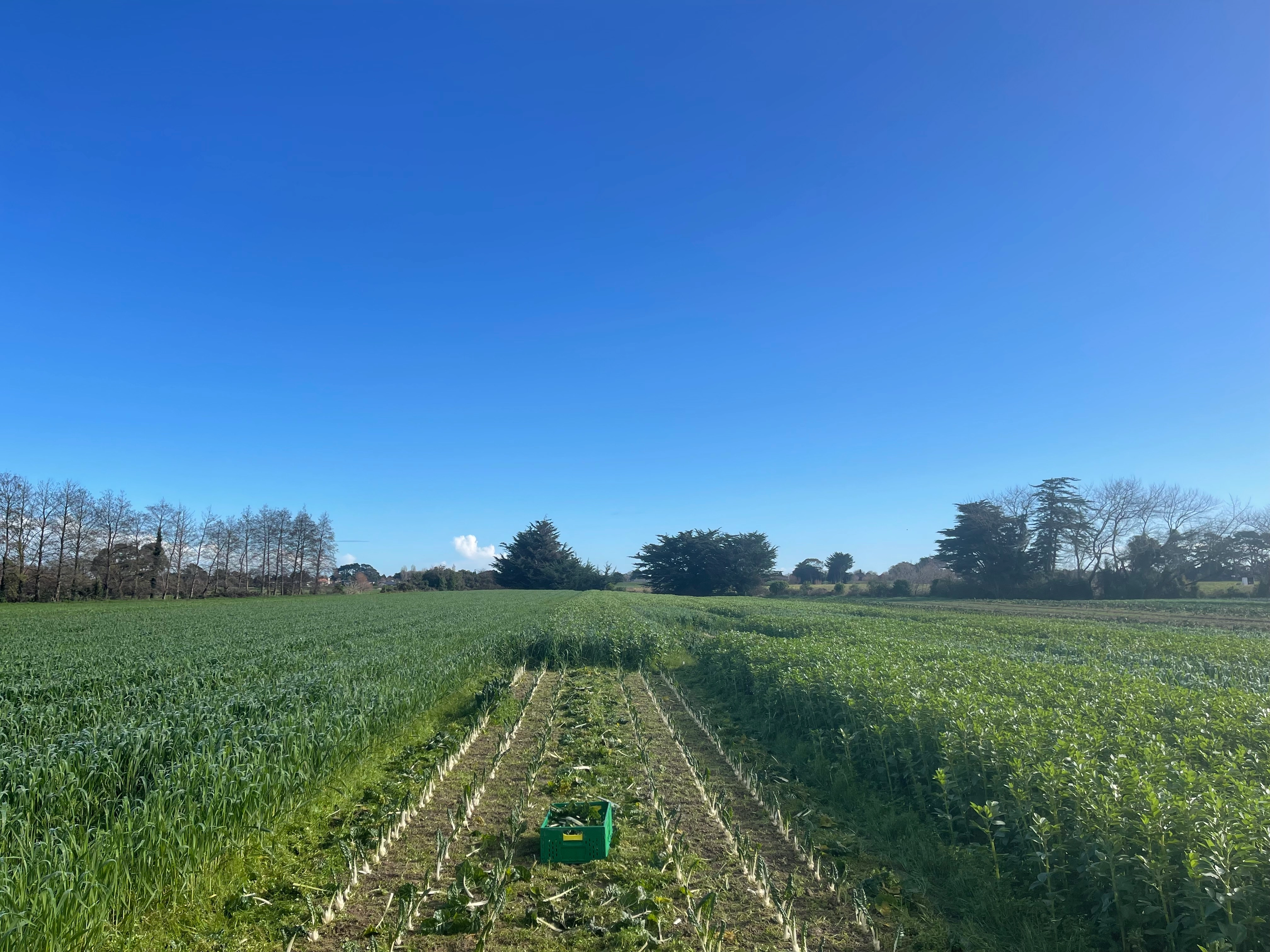
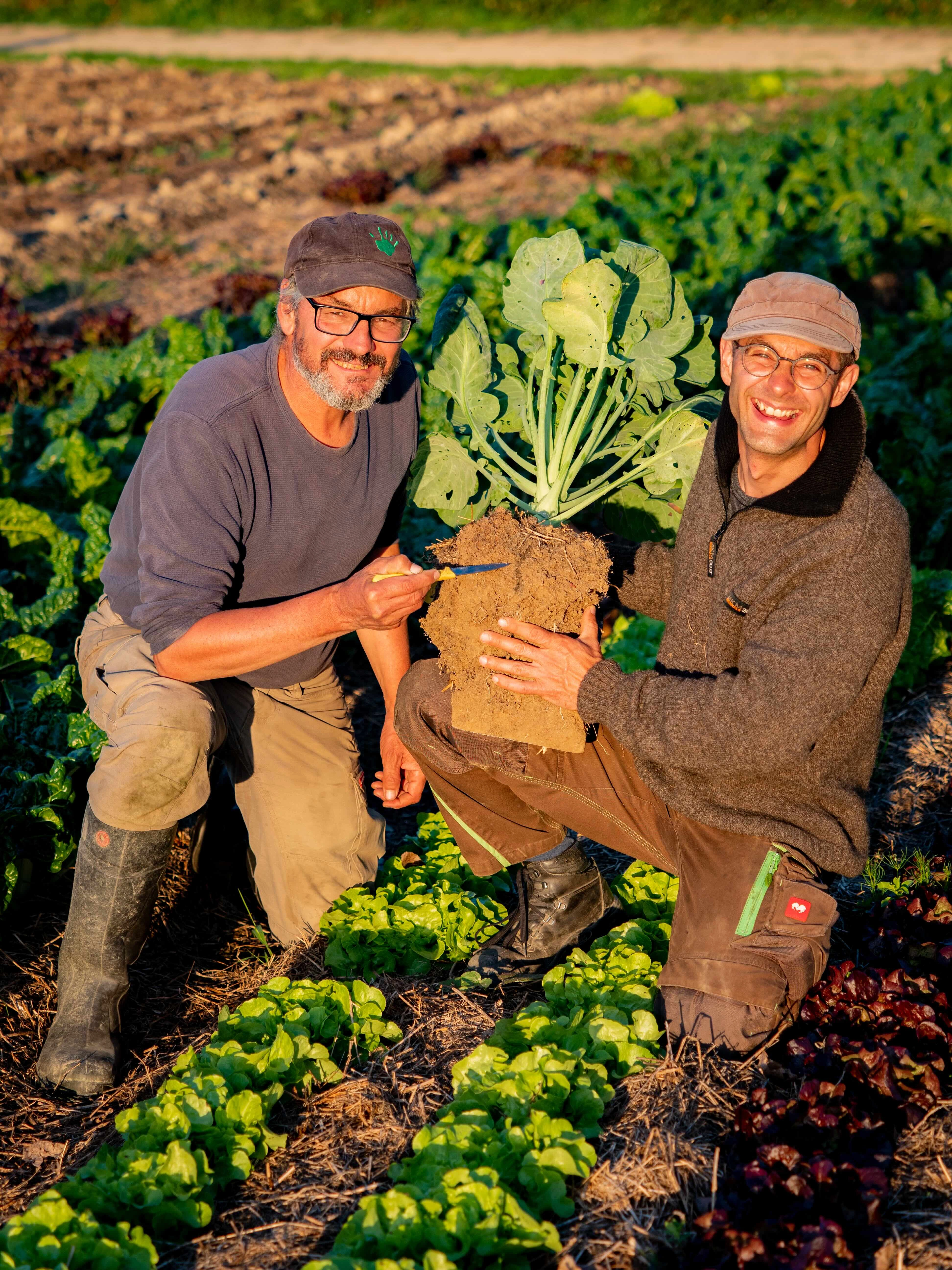
Live to Give will host the field learning component of Hort 201. Their operation is, in our view, one of the clearest and most inspiring examples of biology-first regenerative farming in Aotearoa, and an ideal living system for participants to learn first hand how they implement their mulching systems at scale, incorporating the four pillars of soil fertility: permanent cover, permanent roots, minimal soil invasion and maximum biodiversity.
Who It's For
This course is designed to empower growers and farmers to act as their own consultants.
Participants will learn to analyse soil and leaf data, enabling them to make informed decisions tailored to their own properties.
Hort 201 is an advanced course that builds directly on the foundations of Hort 101, equipping growers with advanced tools to manage soil and plant health at a professional level.
Designed for, Hort 101 graduates or equivalent, Commercial growers and orchardists, Farm managers responsible for decision-making, Specialist growers (kiwifruit, avocados, vegetables, vineyards), Future mentors or consultants.
Post-Course Support
Participants gain access to online mentoring and a peer-to-peer network for continued support after completion.
Why It Matters
Conventional agriculture has depleted soil health. This course equips growers with soil science knowledge and practical tools to restore ecosystems, improve farm profitability, reduce inputs, increase biodiversity, and build climate resilience through regenerative horticulture.
Outcome:Growers leave Hort 201 with the confidence to diagnose complex issues, design site-specific solutions, and strengthen resilience and profitability in their farms.
What you’ll learn : Course Outline
Key Topics
Nutrient Cycles
-Understanding antagonist and synergist reactions and their impact on nutrient
availability
-Determining when and why nutrients are added, and selecting appropriate
products
-Strategies for managing excess nutrients
-Exploring the role of associated microbes in nutrient cycles and the microbial
bridge essential for plant nutrient uptake
-In-depth study of elements: Silicon, Nitrogen, Phosphorus, Potassium,
Calcium, Magnesium, Sulphur, Boron, Iron, Manganese, Copper, Zinc,
Molybdenum, Cobalt, Selenium, Nickel
-Cation balancing and its relationship to pH, including practical application of
the Albrecht Principle
Beneficial Microbes
-Species and their benefits and when to apply, Mycorrhiza sp, Trichoderma sp,
Azotobacter sp, Pseudomonas sp, Bacillus sp, Lactic Acid and facultative
species, Entomopathogenic sp.
-Brewing and Extraction, what can be brewed and what can’t and how to
multiply these.
-Theory and practical aspects of brewing aerobic and anaerobic systems,
including system construction and testing
-Standard operating procedures (SOPs) for various microbial inoculants and
their stabilisation
-Compost extract preparations from how to make the best compost to use to
extraction and applications.
Foliar Nutrition
-Theory and application methods for soluble nutrition mixing and stabilisation
-Evaluation of commercial application systems, including advantages and
disadvantages
-Chemical and microbial compatibility considerations
Fertigation Nutrition
-Comprehensive theory and practical application methods for soluble nutrient
mixing, including the use of A & B tank hydroponic systems.
-Critical evaluation of commercial fertigation systems, outlining their
respective advantages and disadvantages.
-Considerations for chemical and microbial compatibility to ensure optimal
nutrient delivery and system performance.
Solid Fertiliser Nutrition
-Understanding the difference between balancing and crop specific nutrient
removal fertiliser programs.
-Critical evaluation of application methods, banding versus broadcast,
-Learn appropriate timing for different inputs.
-Considerations for chemical and microbial compatibility to ensure optimal
nutrient delivery and system performance.
Bio-Stimulants
-Comparative analysis of kelp processing methods and their effects on product
efficacy. What to use when, how they are all far from equal.
-Guidelines for using fulvic and humic acid products, including compatibility
in liquid and solid fertiliser mixes. Information about the many options.
-Amino acids, Triacontanol, Biochar, and Wood Vinegar applications
Leaf and Soil Testing
-Procedures for collecting soil and leaf samples, including selection criteria
-Essential knowledge of test protocols
-Reference to the Plant Analysis Handbook for crop-specific guidelines (cost
associated to purchase this)
-Introduction to the Soil and Leaf Therapy Programme for lab data analysis and
programme development. ( to be used in our Future Agonomist course)
Irrigation Management and Monitoring
-Comprehensive theory and application methods for effective irrigation
management
-Utilisation of advanced monitoring tools to determine optimal irrigation
timing and avoid unnecessary watering
-Analysis of how varying soil types and crop growth stages influence the
frequency and duration of irrigation requirements
-Evaluation of the impact of different application systems on soil nutrient
availability.
Pest and Disease
-Comprehensive theory in identification of pest versus disease versus nutrition
deficiency/excess.
-Learn trouble shooting skills to help identify the actual cause of the symptoms
-Monitoring tools and systems to help prevent pest and disease
-Crop program development includes anticipated pest and disease pressure.
Regulatory Requirements
-Spray Dairy and fertiliser input records and analysis to meet requirements for
Kiwifruit, Viticulture, Avocado and Organic growers.
-We will review the current Zespri Spray Dairy system as an example.
-Critical to understand the limitations this places on a crop programme when
creating one to meet the required compliance.